
Mon-Fri 6am – 6pm

Guiding Roads, Ensuring Safety Your Journey, Our Control
We provide effective & tailored Traffic Management and Traffic Control Solutions
Exceptional service with a strong focus on safety, technology, and integrity
Servicing Sydney Metropolitan, Regional and Rural areas in NSW
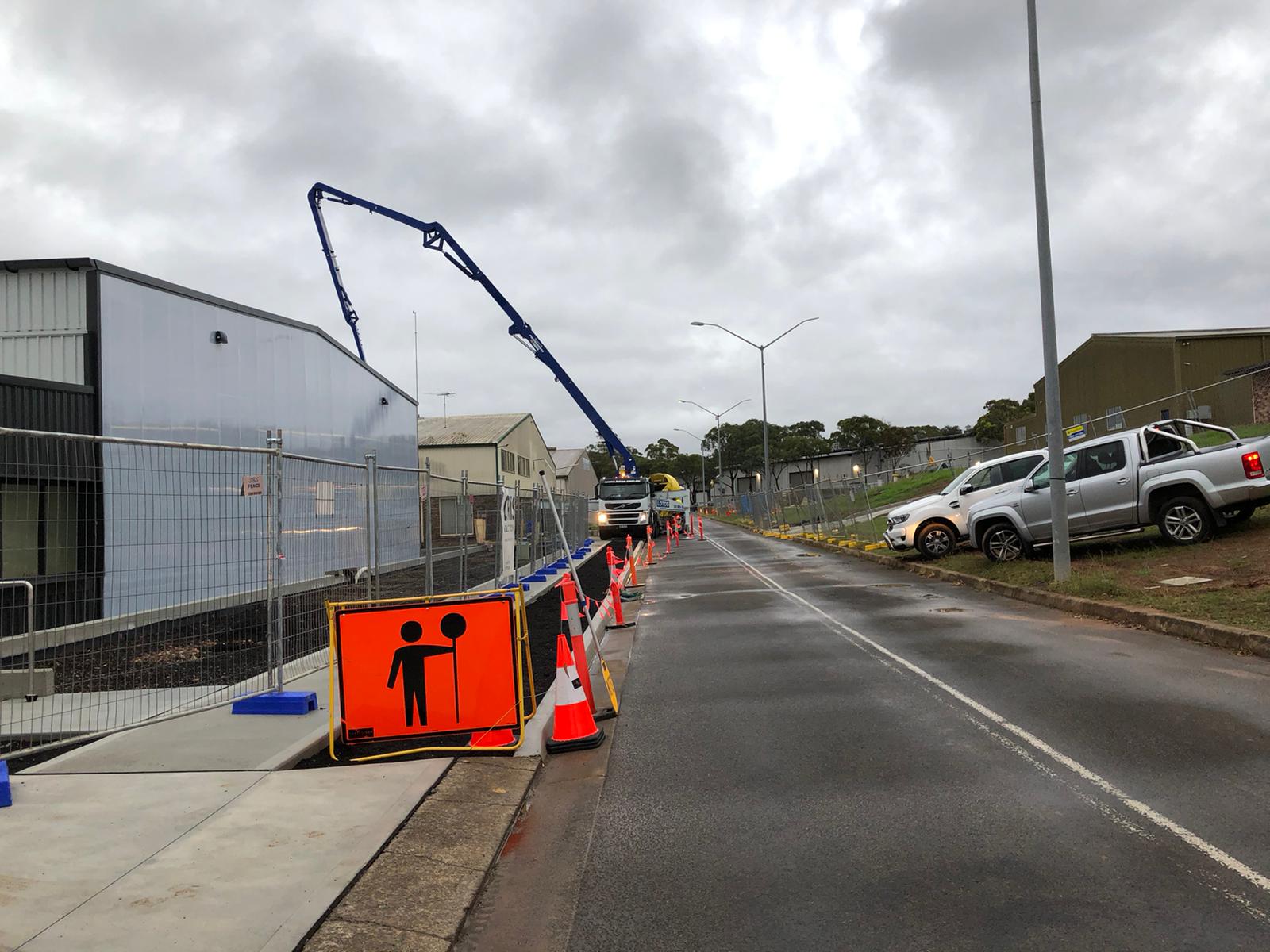
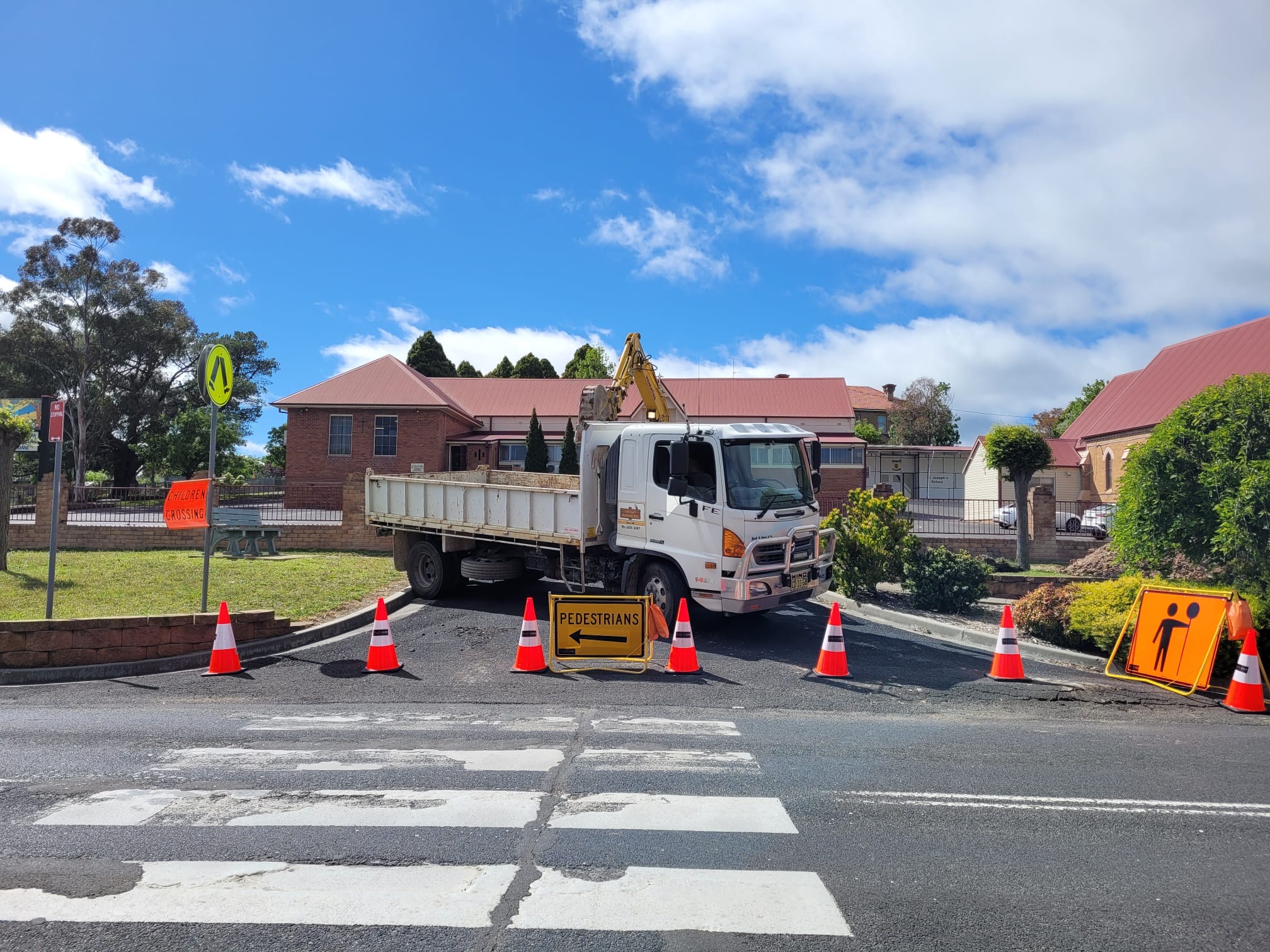


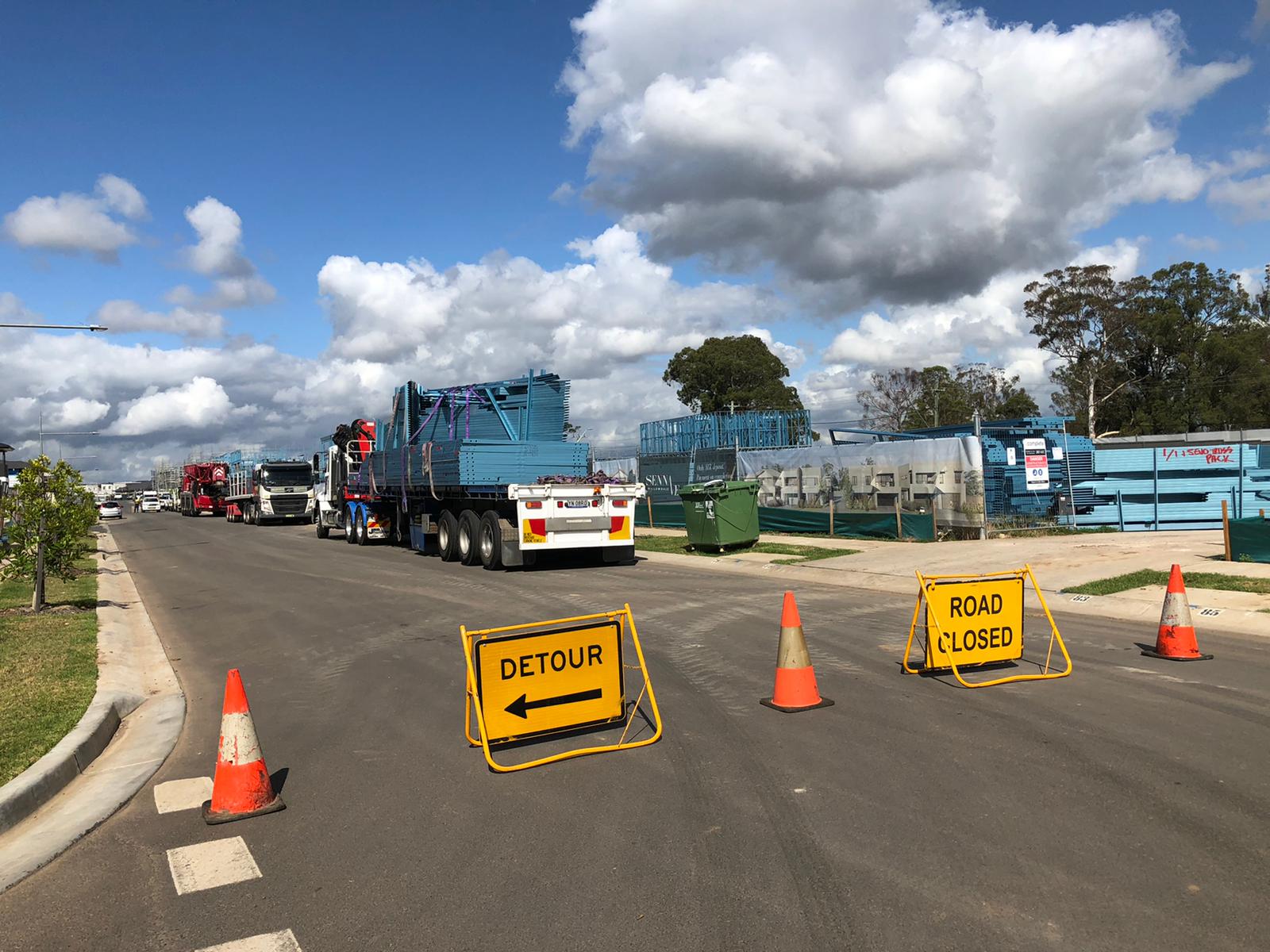
ABOUT TRAFFICCOM
At Trafficcom we provide exceptional services…
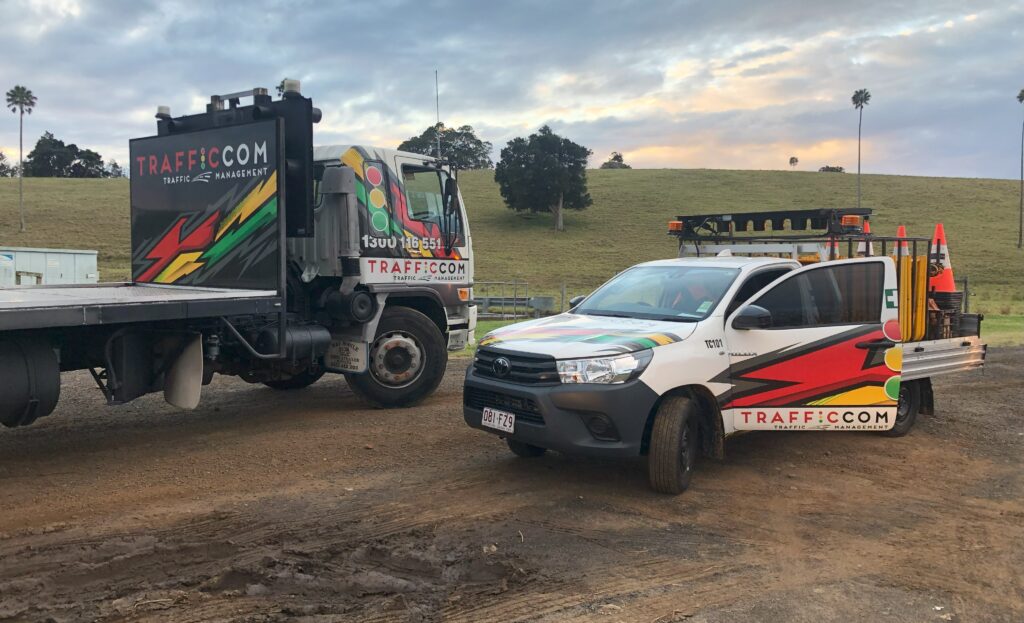
With a strong focus on safety, technology, and integrity. With over 15 years of experience, Trafficcom is at the forefront of the industry and is committed to delivering results worth talking about. The company values communication and has a team of highly skilled, RMS accredited traffic controllers who are trained to handle all projects with attention to detail. Here at Trafficcom we also use innovative technology to keep everyone updated and safe, while maintaining the highest level of trust, honesty, and integrity. The goal at Trafficcom is to develop long-lasting professional relationships with clients and help them grow their company.
- Traffic Control Specialists
- Professional Team
- Competitive Prices
- 24/7 Emergency Response
- Consult-Plan-Execute-Report
- Traffic Planning Solutions
- Experienced in Traffic Safety
- Equipment Hire

ISO 9001


50+
Happy Clients

15 +
Years Of Experience

100+
Projects Completed

40 +
Traffic Controllers
What We Do
Consult | Plan | Execute | Report
Consult
Let us know the location, scope and duration of your planned works and any project challenges by phone or online.
Execute
We will execute your plan for managing traffic, pedestrians, or rail in a manner that prioritizes safety and efficiency, providing the most secure and effective solutions.

Plan
With plans that have been carefully developed and reviewed by our team of skilled professionals, we will manage your project with great precision.
Report
Trafficcom emerged from the aspiration to surpass others, and every project is concluded with a project efficiency report.

Services We Offer

RMS Road Permits / Road Occupany Licence ROL
RMS Permit refers to a permit issued by the Roads and Maritime Services (RMS) in New South Wales, Australia. The RMS is responsible for managing the state’s roads, waterways, and vehicle and registration. The RMS permit is required for a various activities on or near a public road, such as construction, maintenance, filming, or special events. The permit outlines the conditions and requirements for the activity to be carried out safely and legally and includes information on traffic management, public safety and the protection of the environment. Obtaining an RMS permit is an important step in ensuring that any activity on a public road is conducted in a safe and responsible manner.

Council Permits
The specific requirements for a council permit can vary depending on the type of activity and the council’s regulations. Some common factors that may be considered in the permit application process include land use, zoning, building codes, environmental impact, traffic management and public safety. Obtaining a council permit is an important step in ensuring that a project is legally and technically feasible and in obtaining the necessary approvals to proceed. Obtaining a permit from the local council is an important step before starting any work that impacts a public road or footpath. The council will review the TGS submitted along with the permit application to ensure it meets all necessary requirements and standards for traffic management and safety. If the TGS does not meet the council’s standards, the permit may be denied and the work cannot proceed until a compliant TGS is submitted and approved. Therefore, it’s important to carefully plan and prepare the TGS before submitting it to the council.
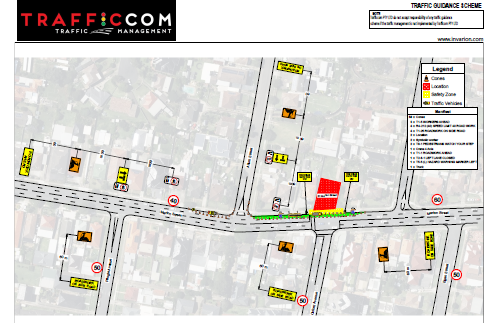
Traffic Guidance Schemes
A TGS, or Traffic Guidance Scheme, is a plan that outlines how traffic will be managed during construction or renovation work that impacts a public road or footpath. The plan should consider the safety of workers, motorists and pedestrians, as well as the flow of traffic. The requirement for a TGS varies depending on the type of work and the location and it is the responsibility of the person or organization undertaking the work to determine if a TGS is necessary. A TGS is a comprehensive plan that outlines the arrangement of temporary traffic control measures, such as signs, barriers, pavement markings and speed limits, to manage traffic during construction or renovation work that impacts a public road or footpath. The TGS should show the location and type of traffic control devices used, as well as the proposed traffic flow, detours and any temporary changes to the road network. The purpose of a TGS is to ensure the safety of workers, motorists and pedestrians and to minimize traffic disruptions during construction or renovation work.
Construction Traffic Management Plan (CTMP)
A Construction Traffic Management Plan (CTMP) is a document that outlines the procedures and measures to be taken during a construction project to ensure the safe and efficient movement of both vehicles and pedestrians in and around the construction site. The plan typically includes details on traffic control, parking arrangements, access routes, signage and lighting, as well as emergency procedures and personnel responsibilities. The goal of a CTMP is to minimize disruption to the public and ensure the safety of all road users, workers and pedestrians during construction.

Safety Audit
A safety audit is a systematic examination of an organization’s operations, equipment and processes to identify and evaluate potential health and safety risks and hazards. The purpose of a safety audit is to identify any areas where improvements can be made to reduce the likelihood of accidents or incidents and to ensure that the organization complies with relevant health and safety regulations and standards. Safety audits typically involve a thorough inspection of the workplace, analysis of safety-related data and records and discussions with employees and management to gather information about safety practices and procedures. The results of the audit are then used to develop recommendations for improving safety and reducing risk.
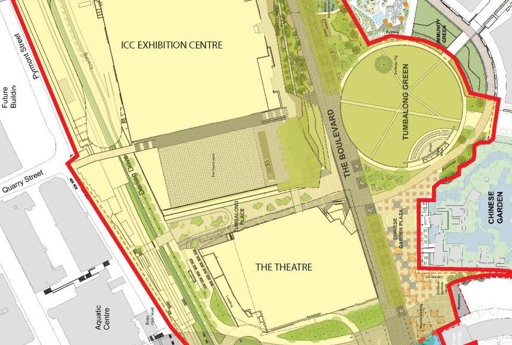
TrafficManagement Plan (TMP)
Traffic Management Plans (TMPs) are documents that outline the procedures and measures to be taken during a construction project, roadwork, event, or any other activity that affects the normal flow of traffic. The purpose of a TMP is to ensure the safe and efficient movement of vehicles and pedestrians in and around the work area and to minimize disruption to the public. A TMP typically includes details on traffic control, parking arrangements, access routes, signage and lighting, emergency procedures and personnel responsibilities. The plan is designed to meet the specific requirements of the project and to comply with relevant traffic management regulations and standards. TMPs are an important part of the overall planning process for any activity that affects the normal flow of traffic. By developing a comprehensive TMP, organizations and governments can help ensure the safety of road users and workers, minimize traffic delays and protect the environment.
Management
Meet the Team
Trafficcom Management Team

Mustafa
Sabbagh
Director
Lorem ipsum dolor sit amet, consectetur adipiscing elit, sed do eiusmod tempor incididunt ut labore et dolore magna aliqua

Carmelina
Cottaris
National
Operations
Manager
Lorem ipsum dolor sit amet, consectetur adipiscing elit, sed do eiusmod tempor incididunt ut labore et dolore magna aliqua

Choose Trafficcom
We specialise in comprehensive traffic control solutions tailored to a company’s specific needs. Our expert team develops detailed construction traffic management plans that include strategic planning, clear traffic guidance schemes, and effective signage. With our robust traffic control services, we help reduce congestion, enhance safety, and ensure smooth traffic flow through work zones. Trust Trafficcom for all your traffic control needs and experience seamless, efficient road management. Contact us today to learn more about our traffic control services and how we can support your next project.
PHONE 1300 116 551 or EMAIL admin@trafficcom.com.au
Core Competencies

Expert Traffic Management
Proficient in designing and implementing comprehensive traffic management plans for various projects and events.
Demonstrated expertise in optimizing traffic flow while prioritizing safety.

National Reach and Expansion
Successfully expanded operations nationally, providing services in multiple regions, including the Greater Sydney Region and Brisbane.

Client Centric Approach
Tailored solutions to meet the unique needs and challenges of each client.
Proactive communication and collaboration with clients to ensure their expectations are not only met but exceeded.

Certifications and Compliance
Holding relevant certifications and compliance with industry standards, ensuring the highest level of professionalism and reliability.

Adaptability and Scalability
Ability to adapt to changing project requirements and scalable solutions for projects of varying sizes.
Flexibility to accommodate diverse client needs and project scopes.

Environmental Stewardship
Commitment to sustainable practices, minimizing environmental impact in traffic control operations.
Implementation of eco-friendly solutions where possible.